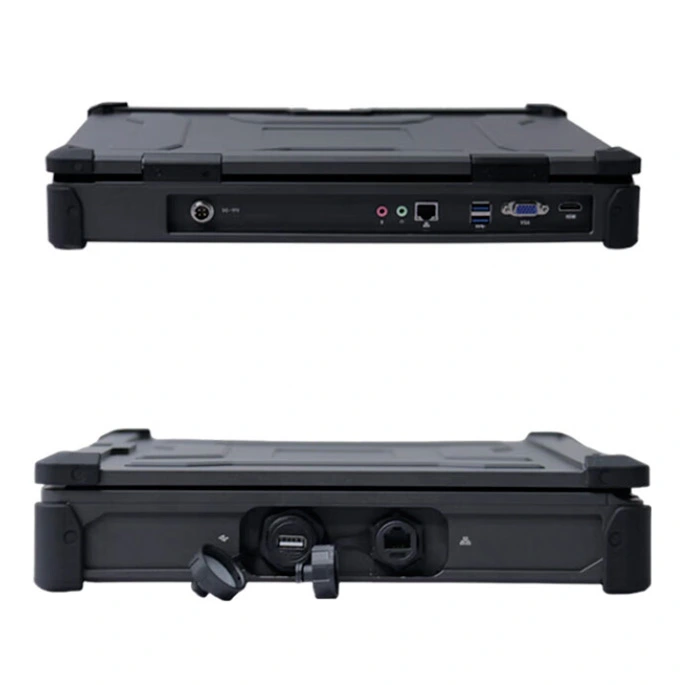
Industrial rackmount PCs represent a significant investment in mission-critical environments, where downtime translates directly into lost productivity and revenue. While initial purchase costs are important, the true economic value emerges from how well a system can be maintained and upgraded over its lifecycle—often 7–15 years or more. By prioritizing designs that support easy servicing and incremental enhancements, organizations can dramatically lower total cost of ownership (TCO) through reduced replacement frequency, minimized unplanned repairs, and extended hardware utility. This article examines practical approaches to maintenance and upgradability, backed by strategies that deliver measurable savings.
In factories, process control rooms, and edge computing deployments, rack PCs face constant stress from dust, vibration, temperature cycles, and 24/7 operation. Poorly designed systems lead to frequent failures and full replacements, while modular, service-friendly architectures allow targeted fixes and capacity boosts without wholesale change.
Key financial drivers include:
· Downtime costs — often thousands per hour in manufacturing
· Replacement vs. upgrade — swapping an entire unit vs. adding RAM/SSD/PCIe card
· Energy and support overhead — older, inefficient hardware consumes more power and requires more manual intervention
Focusing on maintainability and future-proofing can cut lifecycle expenses by 30–60% compared to consumer-grade alternatives.
Effective maintenance combines preventive routines, predictive monitoring, and quick corrective actions.
Regular, scheduled tasks prevent most common failures:
· Dust filter cleaning/replacement every 3–6 months
· Visual inspection of cables, fans (if present), and thermal paste
· Firmware/BIOS updates during planned windows
· Battery backup checks (CMOS and UPS)
Modern rack PCs often include onboard sensors for temperature, fan speed, voltage, and drive health (SMART). Integrate these with:
· SNMP or agent-based monitoring software
· IIoT platforms for trend analysis and anomaly alerts
· Threshold-based notifications to trigger service before failure
This approach shifts from reactive to proactive, reducing emergency call-outs by 50–70% in many deployments.
Look for models featuring:
· Hot-swappable power supplies and drives
· Tool-less side panels and drive bays
· Removable filter trays
These features allow maintenance without powering down the system or specialized tools, minimizing production interruptions.
Rack mounted computer server in hi-res stock photography and images - Alamy
The ability to refresh components keeps performance aligned with evolving application demands.
· Memory and Storage — Easy-access DIMM slots and drive bays (SATA/SAS/M.2/NVMe)
· Expansion Cards — Multiple PCIe slots for NICs, GPU accelerators, fieldbus cards, or additional I/O
· CPU/Platform Refresh — Some chassis support drop-in motherboard swaps within the same generation or socket family
· Power Supply Scaling — Modular PSUs that accommodate higher TDP configurations
Select platforms with:
· Standard form factors (ATX/micro-ATX in rack chassis)
· Backward-compatible BIOS/firmware
· Vendor commitment to component availability (5–10 years)
· Clear upgrade documentation and spare parts channels
These factors ensure incremental investments rather than forced obsolescence.
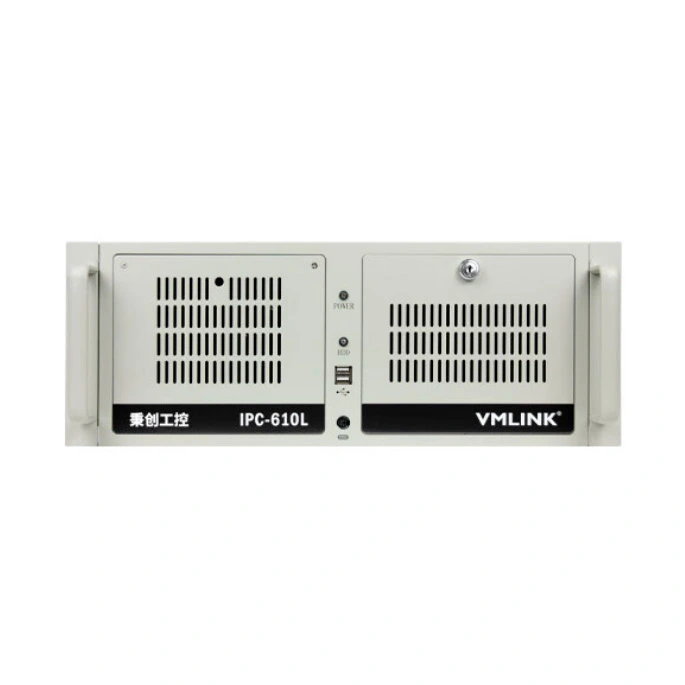
Consider a typical 4U industrial rack PC deployed in a manufacturing control application:
· Scenario A (Low maintainability): Consumer-grade rack server replaced every 5 years → high TCO from full replacements, downtime, and disposal.
· Scenario B (High maintainability/upgradability): Industrial model with hot-swap, modular PCIe, and predictive monitoring → RAM/SSD upgrades at year 4, NIC addition at year 7, full refresh at year 12 → 40–55% lower TCO over 12 years.
· Document baseline performance and maintenance history for each unit
· Train in-house teams on basic servicing (or partner with certified providers)
· Budget 5–10% of initial cost annually for planned upgrades and spares
· Evaluate vendors on spare parts lead time and extended support contracts
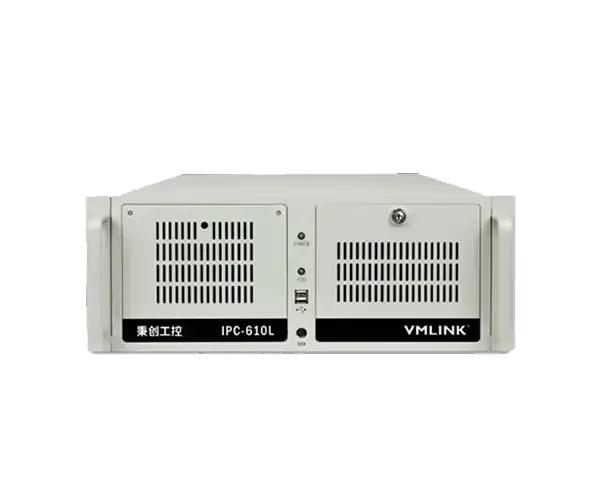
Investing in industrial rack PCs that emphasize maintainability and upgradability transforms them from short-term capital expenses into long-term strategic assets. The combination of preventive routines, predictive tools, hot-swap features, and modular expansion delivers substantial cost reductions while supporting continuous operational improvement. Explore our durable, service-friendly lineup—including the IPC-610L series with accessible internals and the IPC-620 series for high-expansion potential—to see these principles in action. For broader context, revisit the Ultimate Guide to Industrial Rackmount PCs.
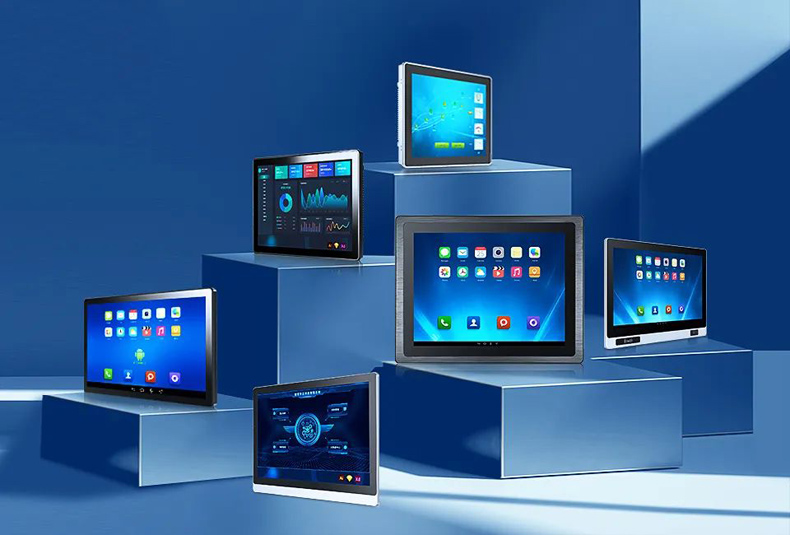
Thank you for your attention on Vmlink Industrial PC!
Please fill the form to let us know your need. We will get in touch with you ASAP.
 English
 한국어
한국어 français
 Deutsch
 Español
 italiano
 русский
 português
 العربية
 Ελλάδα
 Nederland