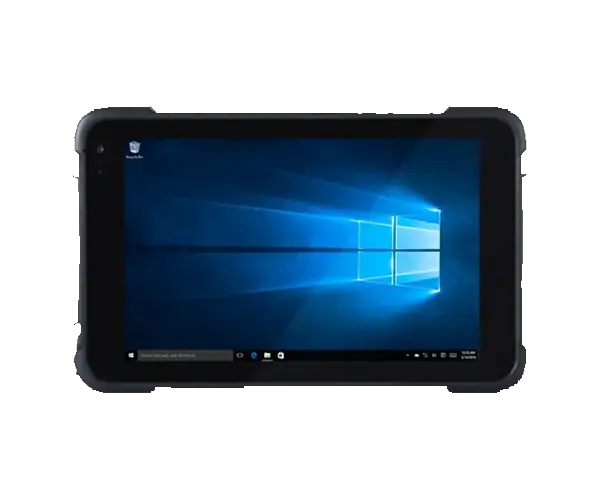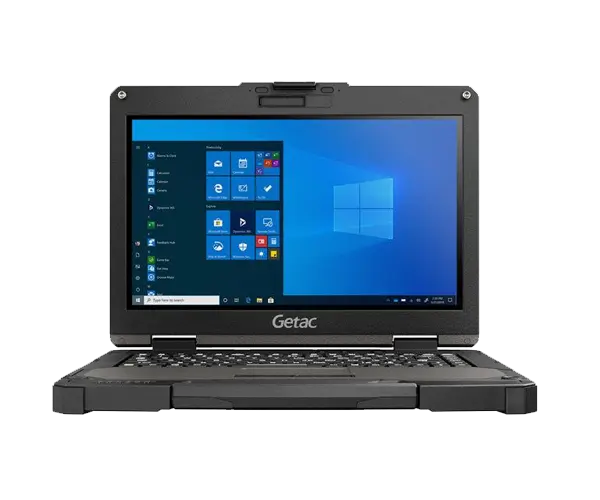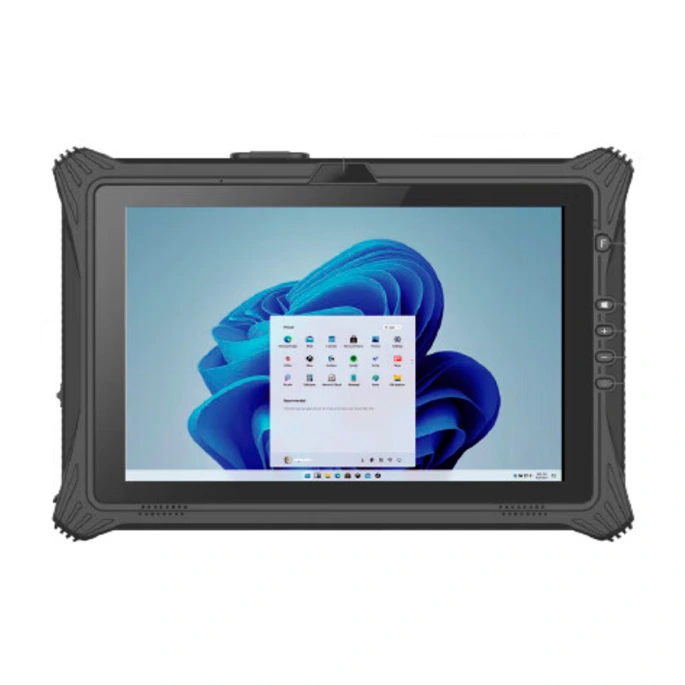
Industrial rackmount PCs are specialized computing systems designed to fit into standard 19-inch racks, offering robust performance in demanding environments. Unlike traditional desktop computers, these devices are engineered for reliability, scalability, and durability, making them essential in sectors like manufacturing, automation, and data centers. This comprehensive guide explores their key features, real-world applications, and practical tips for selecting the right one for your needs. Whether you're upgrading an industrial setup or building a new one, understanding these aspects will help you make an informed decision.
Industrial rackmount PCs stand out due to their rugged design and advanced capabilities tailored for harsh conditions. Here are the primary features that define them:
These PCs are built to withstand extreme temperatures (often from -40°C to 85°C), shock, vibration, dust, and moisture. They typically feature reinforced casings made from materials like stainless steel or aluminum, with IP65/IP67 ratings for protection against ingress. This ensures uninterrupted operation in challenging settings, such as factories or outdoor installations. For more on durability, check out our detailed article on Durability and Reliability in Harsh Environments for Industrial Rack PCs.
Effective thermal management is crucial to prevent overheating in high-density rack environments. Many models incorporate fanless designs, liquid cooling, or advanced heat exchangers to maintain optimal performance. Fan-based systems use high-efficiency fans, while fanless options rely on passive cooling for silent, dust-resistant operation.
Dive deeper into cooling strategies in our guide on Temperature Management in Industrial Rack PCs: Best Practices for Harsh Environments.
Redundant power supplies (e.g., hot-swappable PSUs) ensure failover protection, minimizing downtime. Wide voltage input ranges (9-36V or 12-48V) accommodate unstable power sources common in industrial sites. Power efficiency is also key, with low-consumption designs reducing energy costs.
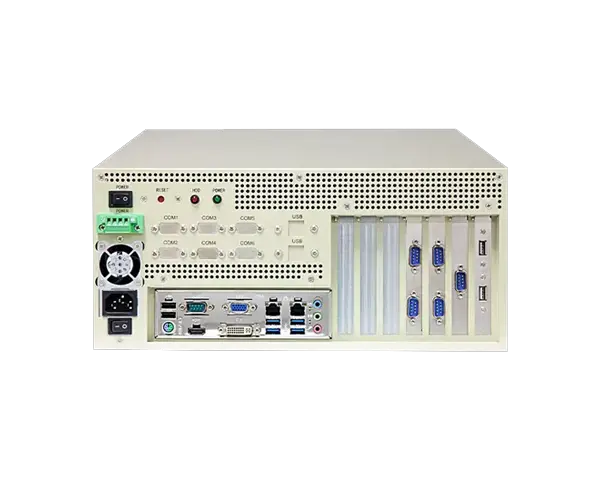
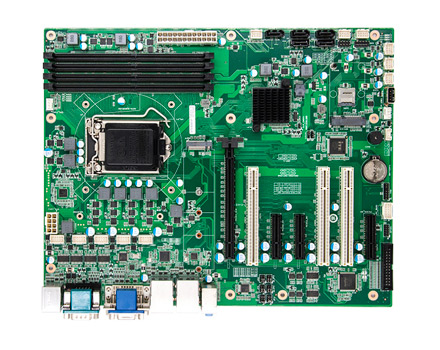
Industrial rackmount PCs offer extensive I/O options, including multiple Ethernet ports for IoT integration, serial ports (RS-232/422/485), USB, HDMI, and expansion slots like PCIe for custom cards. This supports seamless connectivity in automation systems. Learn more about networking in Networking Capabilities for IoT Integration in Industrial Rack PCs.
Equipped with powerful processors (e.g., Intel Core i3/i5/i7 or Atom series), ample RAM (up to 64GB), and SSD storage, these PCs handle intensive tasks like data processing and real-time control. They support various operating systems, including Windows IoT, Linux, and real-time OS for specialized applications.
To compare specs at a glance, here's a table of common configurations based on industry standards:
Feature | Entry-Level | Mid-Range | High-End |
Processor | Intel Atom or Celeron | Intel Core i5/i7 (8th-12th Gen) | Intel Xeon or Core i9 |
RAM | 4-8GB | 16-32GB | 32-64GB+ |
Storage | 128GB SSD | 256-512GB SSD | 1TB+ SSD with RAID |
Operating Temp | 0-50°C | -20-70°C | -40-85°C |
Expansion Slots | 1-2 PCIe | 3-4 PCIe | 4+ PCIe with GPU support |
Power Supply | Single 300W | Redundant 300-500W | Redundant 500W+ |

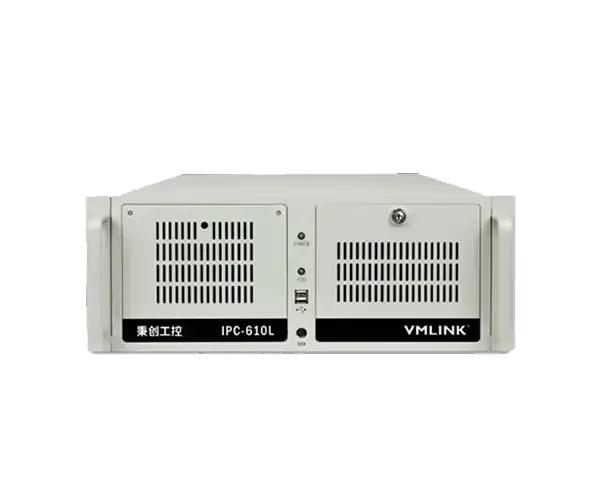
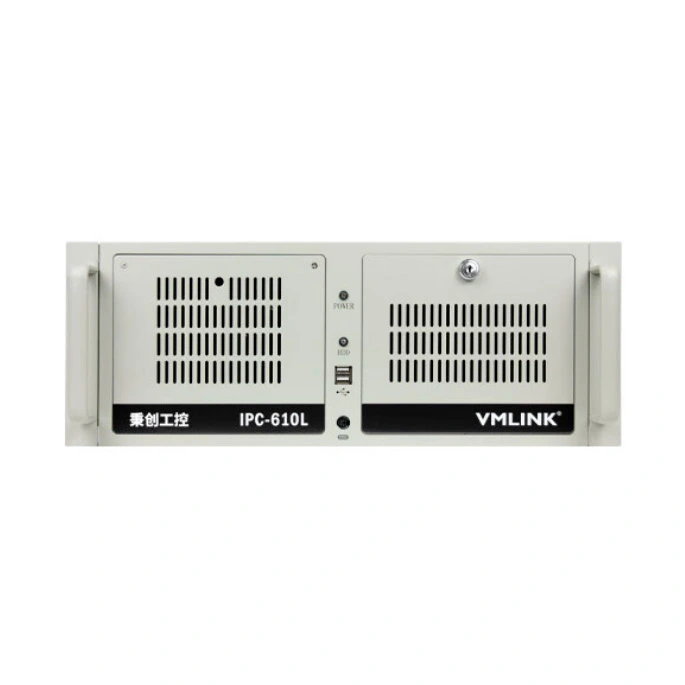
For customizable options, explore our IPC-610L series rackmount PCs, which offer flexible configurations for various needs.
These versatile systems are deployed across multiple industries where reliability is paramount:
In factories, rackmount PCs control machinery, monitor production lines, and integrate with PLCs for real-time data processing. Their rackable design saves space in control rooms, and rugged features handle dust and vibrations from assembly lines.
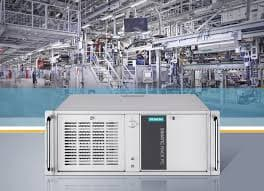
Used for edge computing, these PCs manage servers in compact racks, supporting virtualization and high-throughput tasks with minimal downtime.
Military-grade models comply with standards like MIL-STD-810G, offering secure, hardened computing for field operations, surveillance, and command centers. They resist electromagnetic interference and extreme conditions.
In vehicles or warehouses, they enable fleet management, inventory tracking, and IoT connectivity, with vibration-resistant mounts ensuring stability.
For medical equipment control or lab automation, fanless designs prevent contamination, while compliance with certifications like HIPAA ensures data security.
For maintenance insights, see our article on Maintenance and Upgradability of Industrial Rack PCs: Long-Term Cost Savings.
Selecting the right chassis configuration is critical for sustaining 24/7 continuous automation control. Use the evaluation matrix below to match your industrial computing performance needs with the standard 19-inch rack form factors:
| Form Factor | Height / Size | Slot Expandability | Ideal Deployment Use Cases |
| 1U Rackmount PC | 1.75 inches (Slim Profile) | Limited (Typically 1x PCIe via riser card) | Space-constrained IoT edge servers, network appliances, and basic data routing gates. |
| 2U Rackmount PC | 3.5 inches (Balanced) | Moderate (Up to 3x Low-Profile PCIe slots) | Localized factory machine vision processing and middle-tier automation data logging. |
| 4U Rackmount PC | 7.0 inches (High Scalability) | Maximum (Up to 7x Full-Height PCIe/PCI slots) | Heavy GPU computing, advanced motion controllers, and extensive legacy I/O expansions using industrial motherboards like ATX. |
Choosing the right system involves evaluating your specific requirements. Here are essential tips:
1. Assess Environmental Needs: Determine temperature, humidity, and exposure levels. Opt for fanless models in dusty areas or wide-temp ranges for outdoor use.
2. Evaluate Performance Requirements: Match CPU, RAM, and storage to your applications. Use benchmarks like CPU Mark to gauge processing power.
3. Consider Mounting and Size: Standard sizes include 1U, 2U, or 4U. Ensure compatibility with your rack and factor in expansion space.
4. Check Connectivity and Compatibility: Verify I/O ports and OS support. Look for modular designs for future upgrades.
5. Prioritize Certifications and Compliance: Seek UL, CE, FCC, or industry-specific standards like IEC-61850 for power systems.
6. Budget and Cost Analysis: Balance upfront costs with long-term savings from redundancy and efficiency. Factor in warranties (often 5-10 years) and scalability.
7. Test for Reliability: Review MTBF (Mean Time Between Failures) ratings, ideally 50,000-100,000 hours.
Browse our full range of rackmount PCs to find models that align with these tips, such as the IPC-620 series for high-performance needs.
The primary differentiator is spatial capacity for high-performance hardware expansion. A slim 1U rackmount PC is optimized for computing density and space efficiency but restricts add-on card integration. Conversely, a 4U rackmount pc provides ample chassis volume to accommodate full-height graphics cards, heavy-duty cooling solutions, and multiple legacy PCI expansion slots required for comprehensive industrial automation control systems.
The IPC-610L chassis is internationally recognized for its exceptional anti-vibration, shock-resistant architecture, and advanced ventilation design. As an enterprise-grade rackmount industrial computer structure, it incorporates a lockable front door to restrict unauthorized system tampering and features shock-absorbing drive bays that eliminate hard drive sector failures in high-vibration manufacturing environments.
For high-demand automation, VMLINK pre-configures custom turnkey systems within this format, such as our high-performance IPC-610L i7 Industrial PC.
When running multi-slot industrial systems, power reliability is crucial. Always calculate the maximum power draw of your expansion modules (e.g., frame grabbers, DAQ cards) alongside the core CPU/RAM consumption. For uninterrupted factory workloads, we highly recommend integrating a 300W to 550W redundant power supply so that if one power module fails, the backup source instantaneously takes over without causing systemic automation downtime.
Industrial rackmount PCs are indispensable for modern operations requiring robust, space-efficient computing. By focusing on features like durability and cooling, understanding applications in key industries, and following selection tips, you can invest in a system that boosts efficiency and reliability. If you're ready to upgrade, contact us at VMLink for personalized recommendations or explore our embedded industrial PCs for complementary solutions. Stay tuned for more in our Industrial Rack PC cluster series!
Thank you for your attention on Vmlink Industrial PC!
Please fill the form to let us know your need. We will get in touch with you ASAP.
 English
 한국어
한국어 français
 Deutsch
 Español
 italiano
 русский
 português
 العربية
 Ελλάδα
 Nederland